When you’re enjoying the great outdoors, choosing eco-friendly cooking gear makes a huge difference. It's all about leaving nature as beautiful as you found it. Plus, using sustainable options can be super fun and rewarding!
Start with biodegradable utensils. Instead of plastic, grab some bamboo or compostable cutlery. They’re sturdy, lightweight, and you won’t feel guilty tossing them in the fire or leaving them behind.
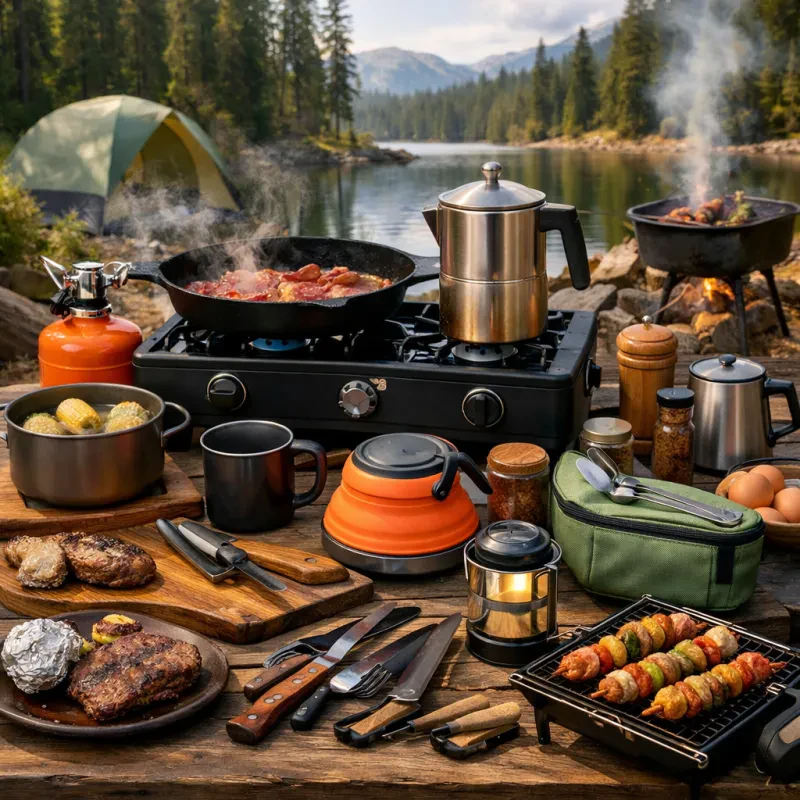
Next up, think about your cookware. Opt for items made from recycled materials or stainless steel. These options are durable and won't release harmful chemicals when heated. And hey, they’re easy to clean, too!
Also, a solar cooker is a brilliant choice for your outdoor kitchen. You’ll harness the power of the sun to cook your meals. It’s not only energy-efficient but also a unique experience that’ll impress your friends.
As for cleaning up, skip chemical-laden soaps. Go for plant-based cleaners or even just warm water. This way, you’re keeping the environment happy while still getting that gear sparkling. Make your outdoor cooking an eco-friendly adventure!
Plan Your Meals Wisely
Planning meals wisely is a game changer, especially when you’re aiming for an eco-friendly outdoor cooking experience. Start by thinking about locally sourced ingredients. Head to your local farmers market or grocery store and pick up fresh vegetables, fruits, and proteins. Not only does this reduce your carbon footprint, but it also supports your community.
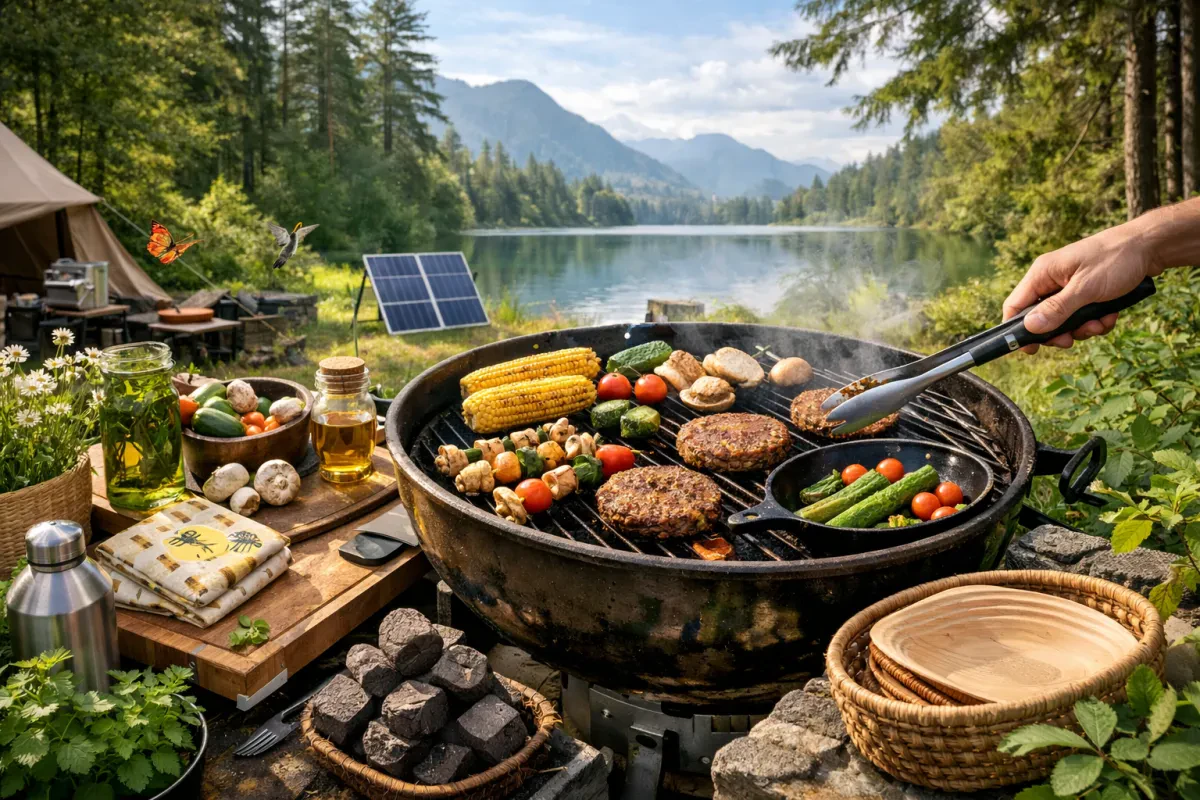
Make a simple meal plan for your outdoor cooking adventure. It doesn’t have to be elaborate; just think about a couple of main dishes and some sides. This way, you’ll buy exactly what you need, cutting down on waste. Choose ingredients that work well together. For instance, grilled veggies can pair with almost any protein, and leftovers from one meal can easily become part of another.
Don’t forget about portion sizes. Cooking just enough means less waste and more delicious meals. It's all about balance. You want enough to feel satisfied but not so much that you toss half of it out. And remember, cooking in smaller batches is super simple and saves time!
Source Local Ingredients
Using local ingredients is one of the easiest ways to make your outdoor cooking more sustainable. When you source your ingredients close to home, you cut down on the carbon footprint associated with transportation. Plus, you often get fresher, tastier food that supports local farmers and businesses.
Start by checking out local farmers' markets. You’ll find seasonal fruits, vegetables, and even meats that are perfect for grilling or cooking over an open fire. Not only will you be eating better, but you'll also get to know your community. Most farmers love to share tips on how to cook with their produce, so don’t hesitate to ask!
Foraging can also be a fun way to gather ingredients. Depending on where you live, you can find wild herbs, mushrooms, and berries. Just be sure to do your research first. You want to make sure you’re foraging safely and legally. Join a local foraging group or take a class if you’re new to it.
When you use local ingredients, you’re also embracing the flavors of your region. Cooking with what’s in season not only tastes better but also often costs less. You can create delicious meals that are unique to your area and truly reflect your culinary style.
Reduce Waste While Cooking
First up, plan your meals. Jot down a list of ingredients you’ll need for your trip. Packing only what you need helps avoid leftovers that might go to waste. If you can, choose recipes that use similar ingredients. This way, you can use up what you bring, and nothing gets left behind.
Next, get creative with your scraps. If you have vegetable peels or food remains, consider bringing them home to compost instead of tossing them in a regular trash bin. Some places allow you to bury biodegradable scraps, which can be a great way to return nutrients to the earth.
Don’t forget about storage! Use reusable containers instead of single-use bags or foil. Silicone bags are lightweight and easy to carry. They also do a great job of keeping your food fresh. Plus, they’re eco-friendly and will help cut down on plastic waste.
Lastly, enjoy meals that require minimal cooking. Think salads, wraps, or sandwiches. These options not only save on cleanup but also mean less energy is used for cooking. Simple and satisfying!